
What is the difference between Dizziness and Vertigo?
By Kings Park Physio | Perth, WA
What is the difference between Dizziness and Vertigo?
Feeling off balance, light-headed, or as though the room is moving can be a worrying experience, particularly when symptoms appear without warning. Dizziness and vertigo are issues commonly assessed in physiotherapy clinics. Although the terms are often used interchangeably, they describe different sensations and can have a range of underlying causes.
Dizziness vs Vertigo: What’s the Difference?
Dizziness is a broad term used to describe feelings such as light-headedness, faintness, or general unsteadiness.
Vertigo, on the other hand, refers specifically to the sensation that you or your surroundings are spinning or moving when there is no actual movement.
Benign Paroxysmal Positional Vertigo (BPPV)
BPPV is one of the most frequently diagnosed causes of vertigo. It develops when small calcium particles within the inner ear shift into areas that affect balance. This can trigger brief but intense spinning sensations, particularly when changing head positions such as rolling over in bed or looking upward.
Inner Ear Inflammation or Infection
Conditions such as vestibular neuritis and labyrinthitis involve inflammation of the inner ear or the vestibular nerve. Symptoms often come on suddenly and may include severe vertigo, nausea, balance difficulties, and in some cases changes in hearing.
Migraine-Related Dizziness
Some people experience dizziness or vertigo as part of a migraine condition, even without the presence of head pain. Vestibular migraines can be difficult to identify and are sometimes overlooked when dizziness occurs on its own.
Neck-Related (Cervicogenic) Dizziness
The neck plays an important role in balance and spatial awareness. Issues affecting the cervical spine, including poor posture, muscle tension, whiplash injuries, or age-related changes, may interfere with sensory input and contribute to feelings of imbalance.
Circulatory and Blood Pressure Factors
General dizziness may occur when blood flow to the brain is reduced. This can be linked to low blood pressure, dehydration, anaemia, or cardiovascular conditions, and is often noticed when standing up quickly.
Stress and Anxiety
Psychological factors can also influence balance. Anxiety, panic attacks, or prolonged stress may cause dizziness or a sensation of being unsteady, particularly when breathing patterns are altered.
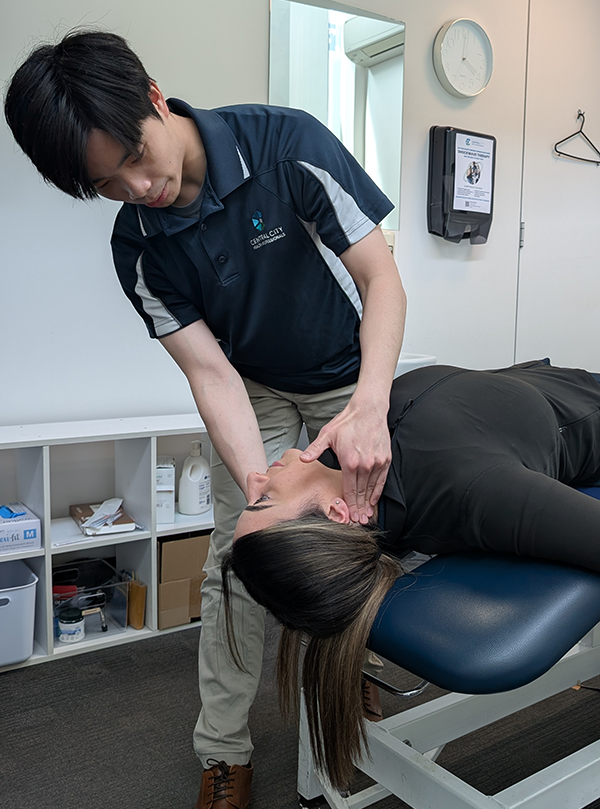
The Role of Physiotherapy
Physiotherapists with training in vestibular assessment can help identify and manage many physical contributors to dizziness and vertigo. Depending on the cause, treatment may include:
- Specific repositioning techniques, such as the Epley manoeuvre, to address BPPV
- Vestibular rehabilitation exercises designed to help the brain adapt to inner ear changes
- Hands-on treatment and posture correction for neck-related dizziness
When to Get Medical Advice
Urgent medical attention is recommended if dizziness or vertigo appears suddenly, is severe, or is accompanied by symptoms such as weakness, speech changes, vision disturbances, or numbness.
For ongoing, posture-related, or movement-triggered symptoms, physiotherapy can provide a safe and effective pathway toward improved balance and confidence.
If you are experiencing dizziness or vertigo in Perth, our physiotherapy team can help assess the cause and guide you through a personalised treatment plan aimed at restoring stability and reducing symptoms.