
Return-to-Sport Rehab: What Safe Recovery Looks Like

By Kings Park Physio | Perth, WA

Return-to-Sport Rehab: What Safe Recovery Looks Like

Returning to sport after an injury can feel exciting and frustrating in equal measure. Many people are eager to get back to training, competition or social sport as quickly as possible, but rushing the process often leads to re-injury. This is where return to sport rehab plays a vital role. With the support of sports physiotherapy, athletes of all levels can recover safely, rebuild confidence and reduce the risk of setbacks.

What is return to sport rehabilitation?

Return to sport rehabilitation is a structured phase of injury rehabilitation that focuses on preparing the body for the specific demands of a chosen sport. Unlike early-stage physiotherapy, which aims to reduce pain and restore basic movement, return to sport rehab bridges the gap between recovery and full performance. 

Sports rehabilitation during this stage includes strength training, movement control, agility, endurance and sport-specific drills. The goal is not just to be pain-free, but to ensure the injured area can tolerate real match or training conditions.
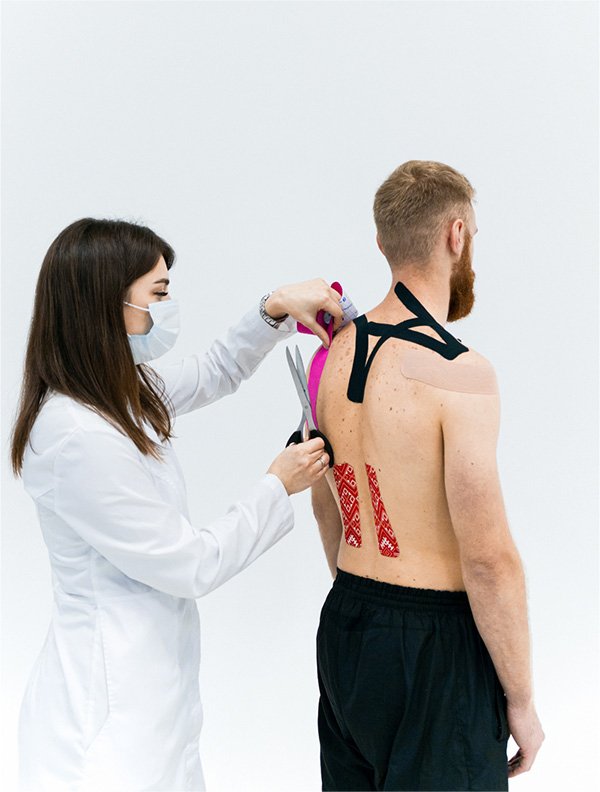
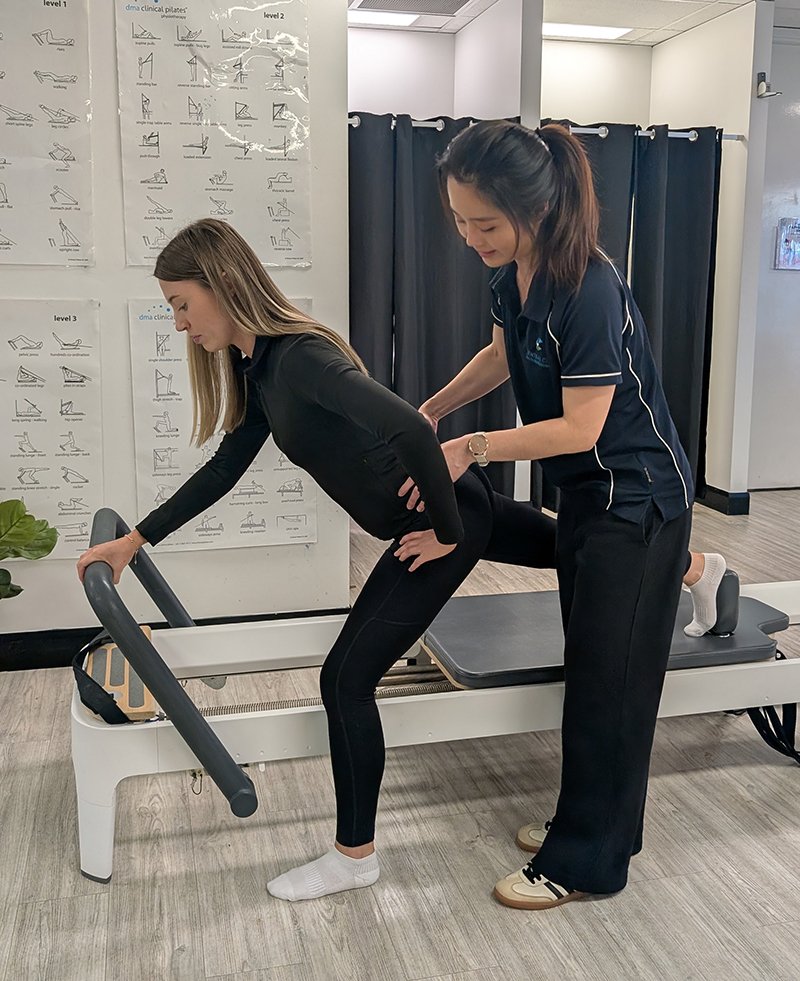
Return-to-Sport Rehab:
Reformer Pilates VS Yoga

What does safe recovery actually look like?

Safe recovery is gradual, measurable and adjusted to the individual. A physiotherapist will assess factors such as strength, flexibility, balance and reaction time before progressing exercises. Load is increased carefully so tissues can adapt without being overwhelmed. 

A key part of return to sport physiotherapy is monitoring how the body responds after training. Mild muscle soreness can be normal, but sharp pain, swelling or loss of function are warning signs that need to be addressed. Safe recovery also includes education so patients understand when to push and when to rest.

Why sport-specific rehab matters

Every sport places different stresses on the body. A runner returning from an ankle injury needs a different rehabilitation approach compared to a footballer recovering from a hamstring strain. Sports physiotherapy ensures rehabilitation matches the movements, speeds and forces required in real play. 

Skipping this phase is one of the most common causes of recurring injuries. Injury rehabilitation that ends too early often leaves underlying weaknesses unaddressed.

FAQs people in Australia often ask

This depends on the injury, the sport and individual recovery. Some people return within weeks, while others need several months of structured sports rehabilitation.
In many cases yes, but training is modified. A physiotherapist will guide what activities are safe and when to progress.